![[company_name], [city], [postcode]](https://msmasonrycontractors.com/wp-content/uploads/2025/10/bd44de0586014fb0aeafb23fb7e3da84.webp)
RedBrick Masonry Contractors & Tuckpointing
- Expert masonry and tuckpointing.
- Skilled craftsmen, top materials.
- Historical brickwork and repairs.
- Tailored, personalized solutions.
Get a Personalized Quote for Your Masonry Project Now
Custom Masonry & Tuckpointing Services

Brick Chimney Repair
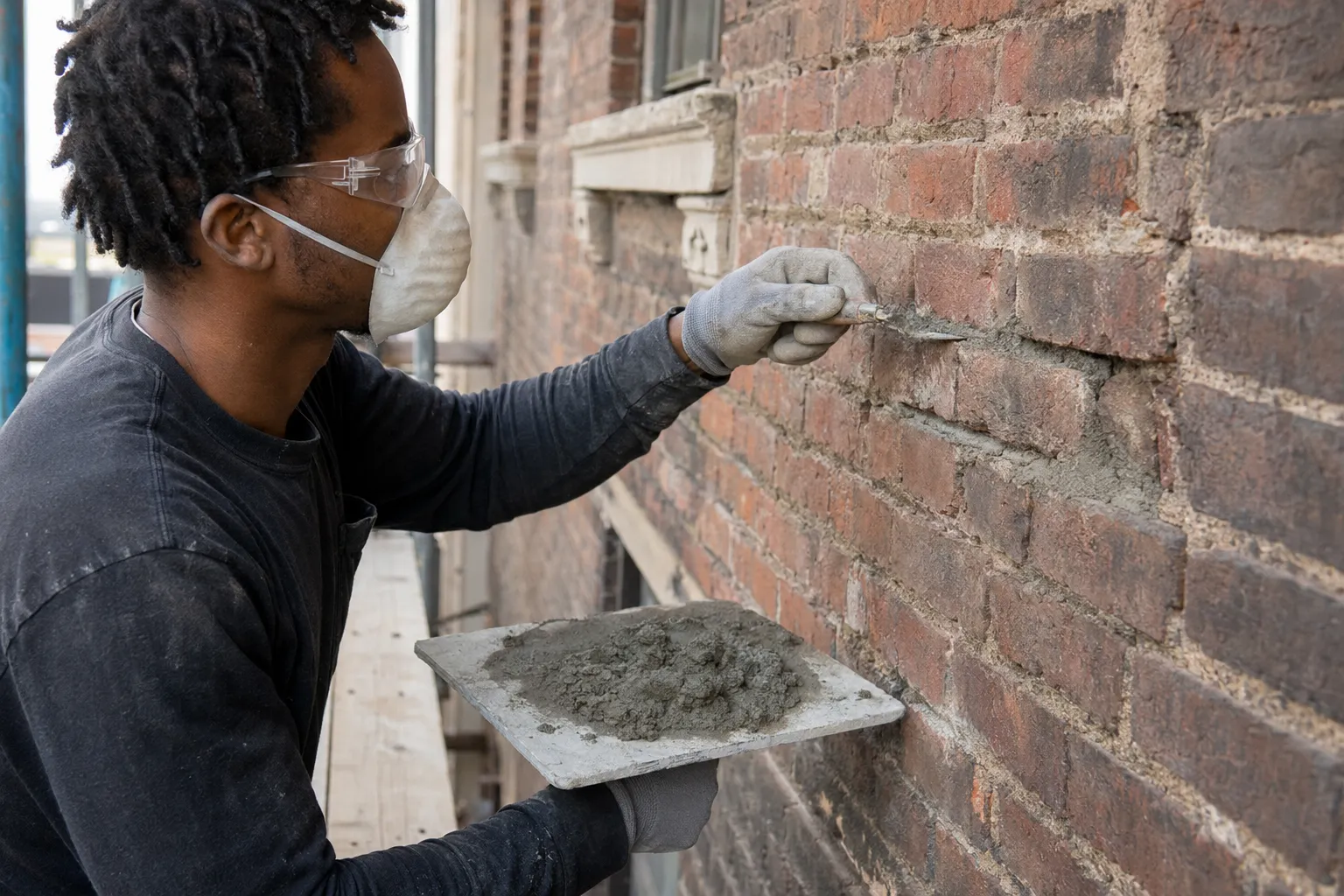
Tuckpointing
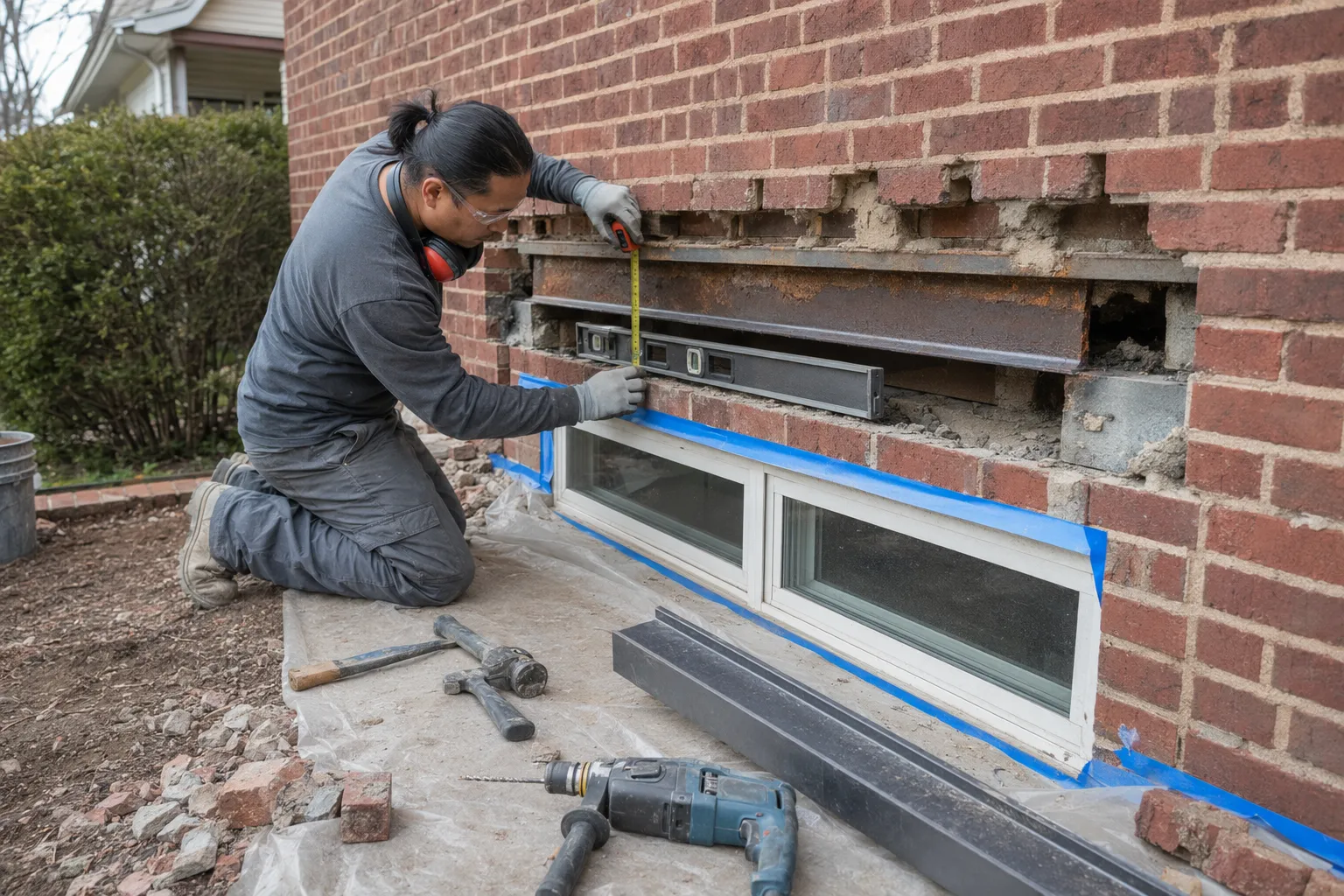
Lintel Repair
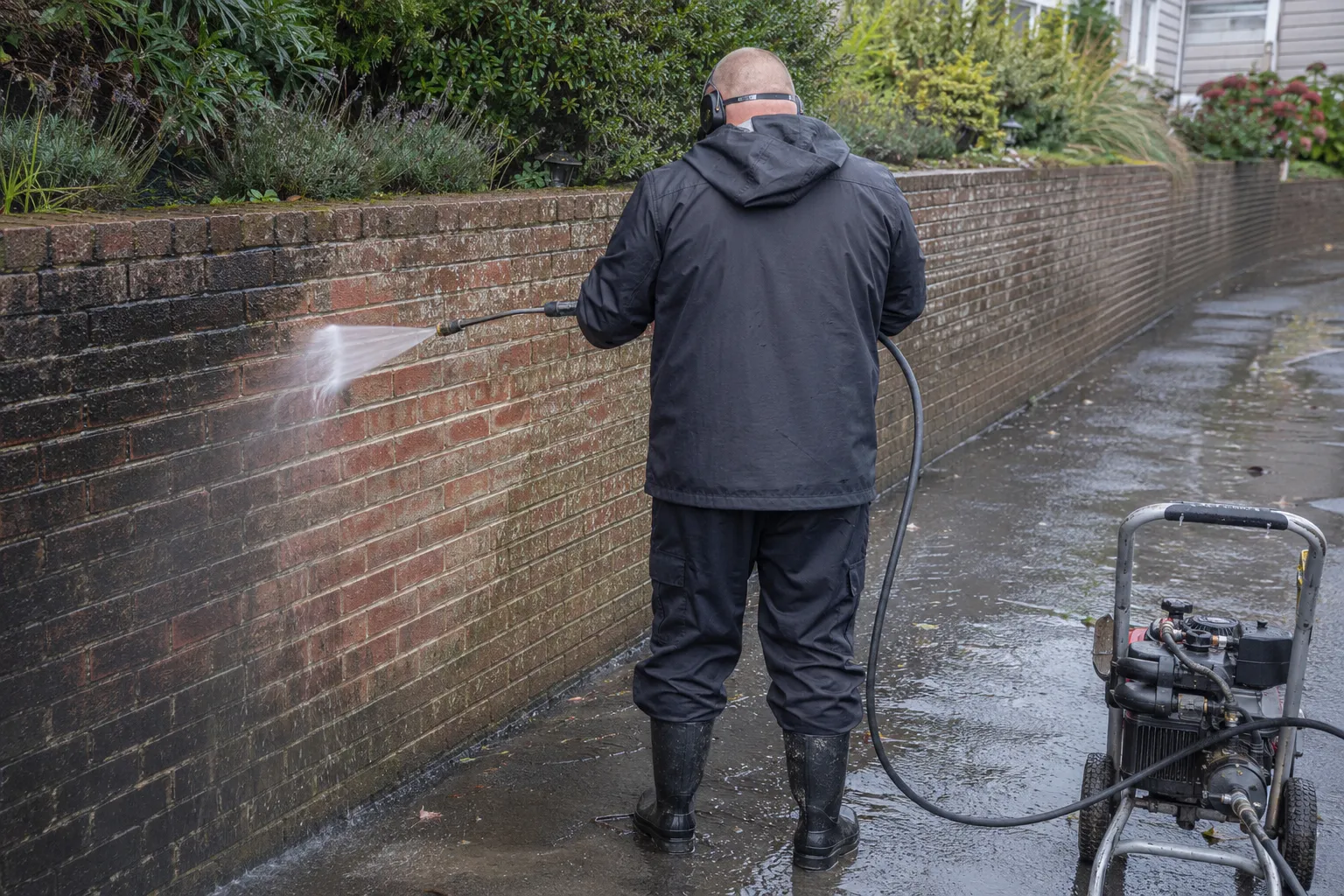
Pressure Washing
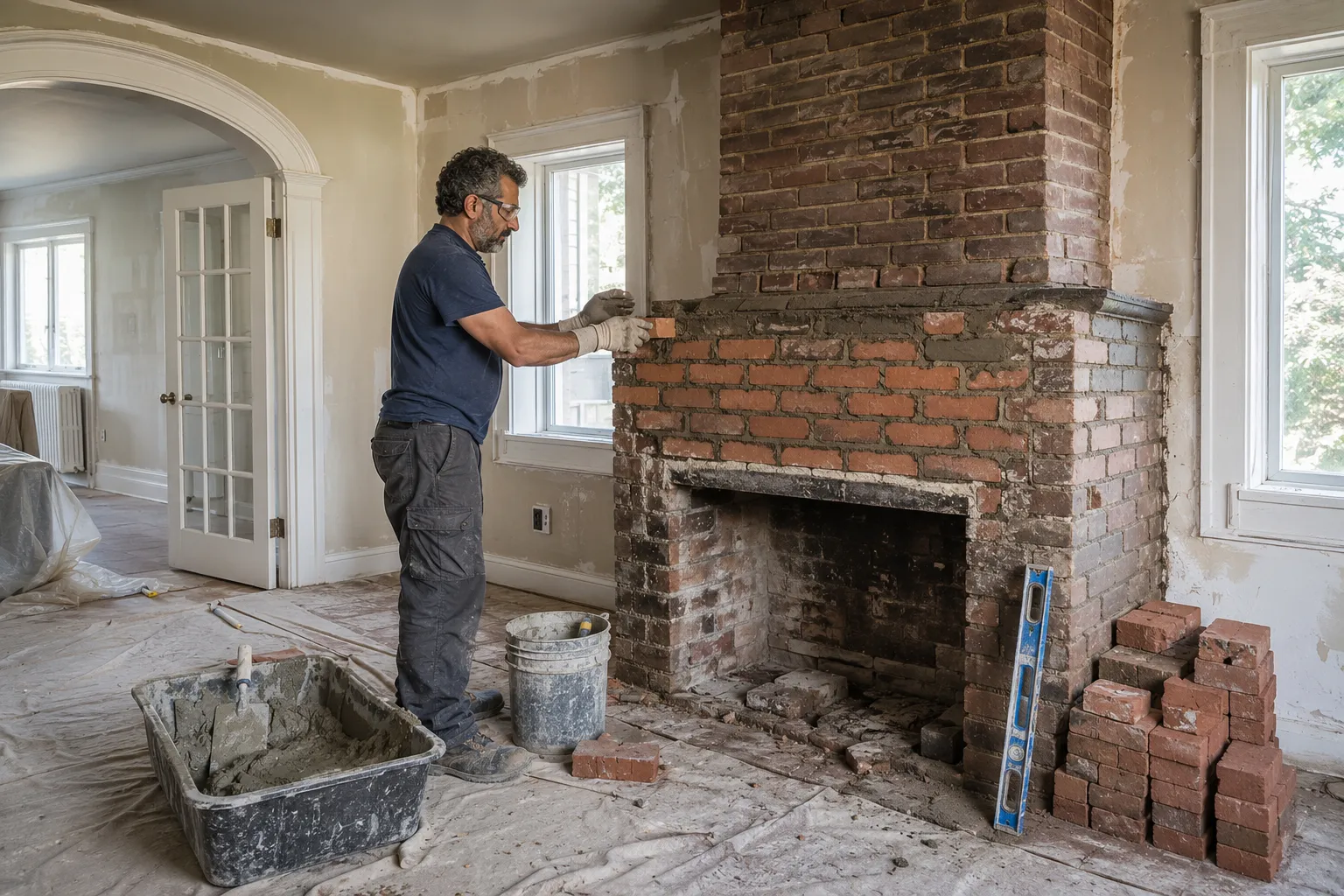
Brick Fireplaces
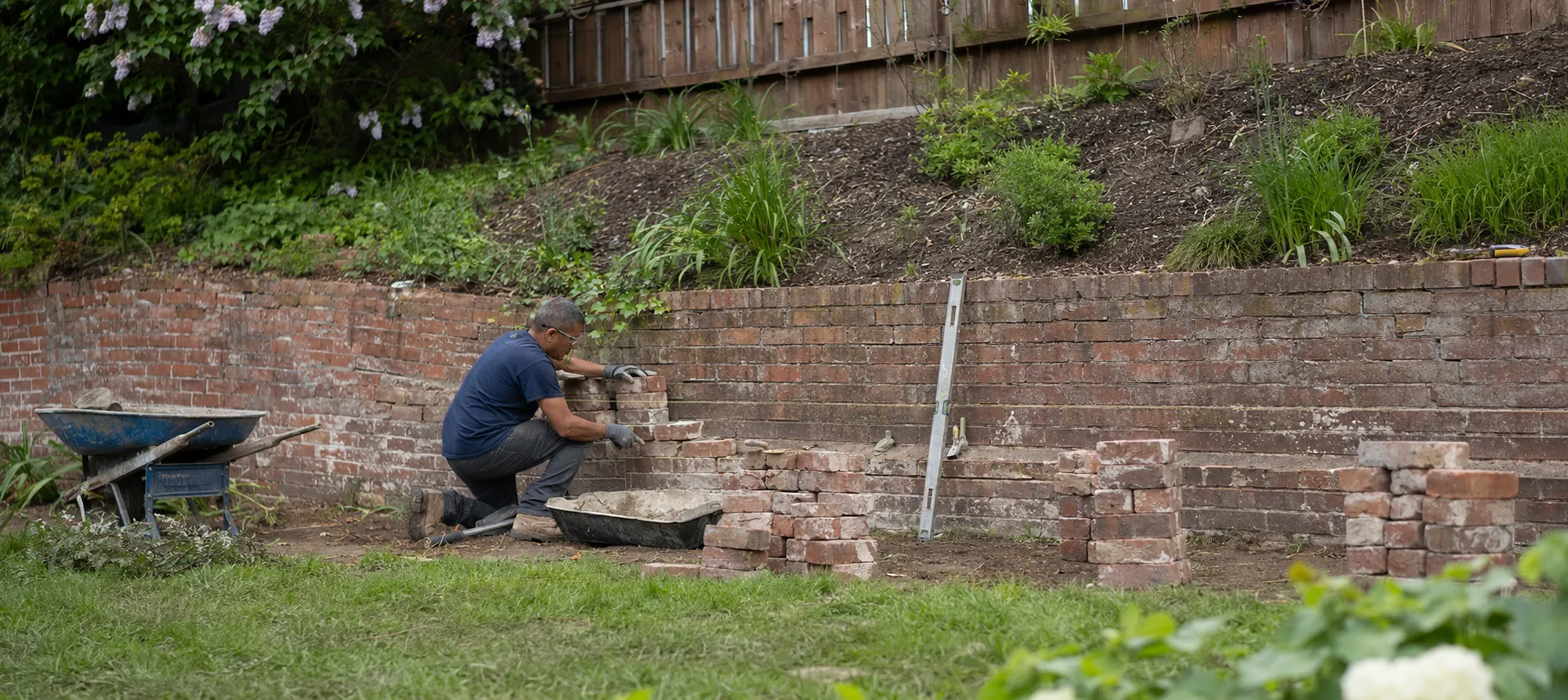
Masonry
Our Portfolio Shows the Results You Can Expect
Illinois Weather Rarely Damages Every Part of a Mortar Joint at Once
Repeated Wetting
Mortar exposed to rain and splashback can remain damp longer than surrounding areas, especially where drainage or drying conditions are poor.
Freezing Moisture
When moisture is present in vulnerable masonry during freezing conditions, repeated freeze-thaw exposure can contribute to surface loss and deterioration.
Rapid Weather Changes
Different elevations heat, cool, wet, and dry at different rates. Those exposure differences help explain why one side of a building may need repointing before another.
Recessed Joints
As mortar erodes deeper behind the brick face, the geometry of the joint changes and defects become easier places for water to enter the exterior masonry surface.
The Simple Steps We Take to Ensure Your Satisfaction

Initial Consultation
We discuss your needs and assess your property to develop a custom plan.
Project Planning
Our team creates a detailed plan, ensuring all aspects are addressed.
Expert Execution
We carry out the work with precision, using the finest materials and techniques.
Final Walkthrough
We inspect the project and ensure your satisfaction before completion.
A Rusting Lintel Changes More Than the Color of the Steel
Moisture Reaches the Lintel
Water entering the wall must be collected and directed outward. Where flashing or drainage conditions do not perform correctly, moisture may remain around steel components.
Corrosion Develops
As the protective condition of the steel deteriorates, rust begins forming. Early evidence may appear as staining along the opening before major masonry displacement becomes obvious.
Surrounding Masonry Is Disturbed
Corrosion products occupy space around the steel. Pressure and movement at the lintel zone can contribute to cracked joints, displaced brick, or distress concentrated directly above the opening.
The Lintel Condition Is Evaluated
The question is no longer simply whether a crack can be repointed. Steel condition, lintel deflection, bearing, corrosion protection, and water management all influence whether localized repair or lintel replacement is appropriate. BIA guidance warns against rule-of-thumb lintel design because loads, stresses, and serviceability matter.
Brick Responds Slowly to Temperature Changes. That Matters.
Slower Temperature Response
High-mass masonry can store and release heat rather than responding immediately to every temperature fluctuation.
Works as Part of an Assembly
Brick should be considered together with insulation and the rest of the wall construction, not described as a substitute for thermal insulation.
Thermal Loads Can Be Delayed
The heat-storage characteristics of mass walls can shift the timing of peak heating or cooling loads under appropriate wall configurations.
Wall Design Changes Performance
The location of masonry relative to insulation affects how effectively thermal mass contributes to the building envelope.
Sometimes the Stronger Mortar Is the Wrong Mortar
The Joint Can Be the Sacrificial Element
In many historic masonry assemblies, mortar is expected to weather before the brick. NPS preservation guidance describes historic mortar as sacrificial, helping protect masonry units as moisture moves through the wall.
Older Brick May Be Relatively Soft
A dense, high-strength pointing mortar placed beside more vulnerable historic masonry can shift deterioration toward the brick edges and faces rather than allowing the joint to weather normally.
Drying Behavior Matters
Mortar compatibility involves more than compressive strength. Moisture transmission and drying characteristics influence how the repaired wall manages water, particularly in masonry exposed to freezing conditions.
The Existing Wall Should Be Studied
Color is only the visible part of mortar matching. Preservation guidance considers strength, composition, appearance, and application when evaluating replacement mortar for historic masonry.
![[company_name], [city], [postcode]](https://msmasonrycontractors.com/wp-content/uploads/2025/10/2a385b93cf3445e0bcf62525d6993e96.webp)